Every year I take hundreds of photographs on holiday.
Nothing commissioned. Not portfolio photographs. Not for a client. No deadlines, no mood boards, no campaigns, no one else’s expectations. Just pictures for me.
The sort of pictures that, 95% of the time, end up sitting on one of my hard drives, quietly ageing in a folder with a deeply imaginative title like “France 2026.”
And it’s a shame. I rarely find the time to revisit them properly.
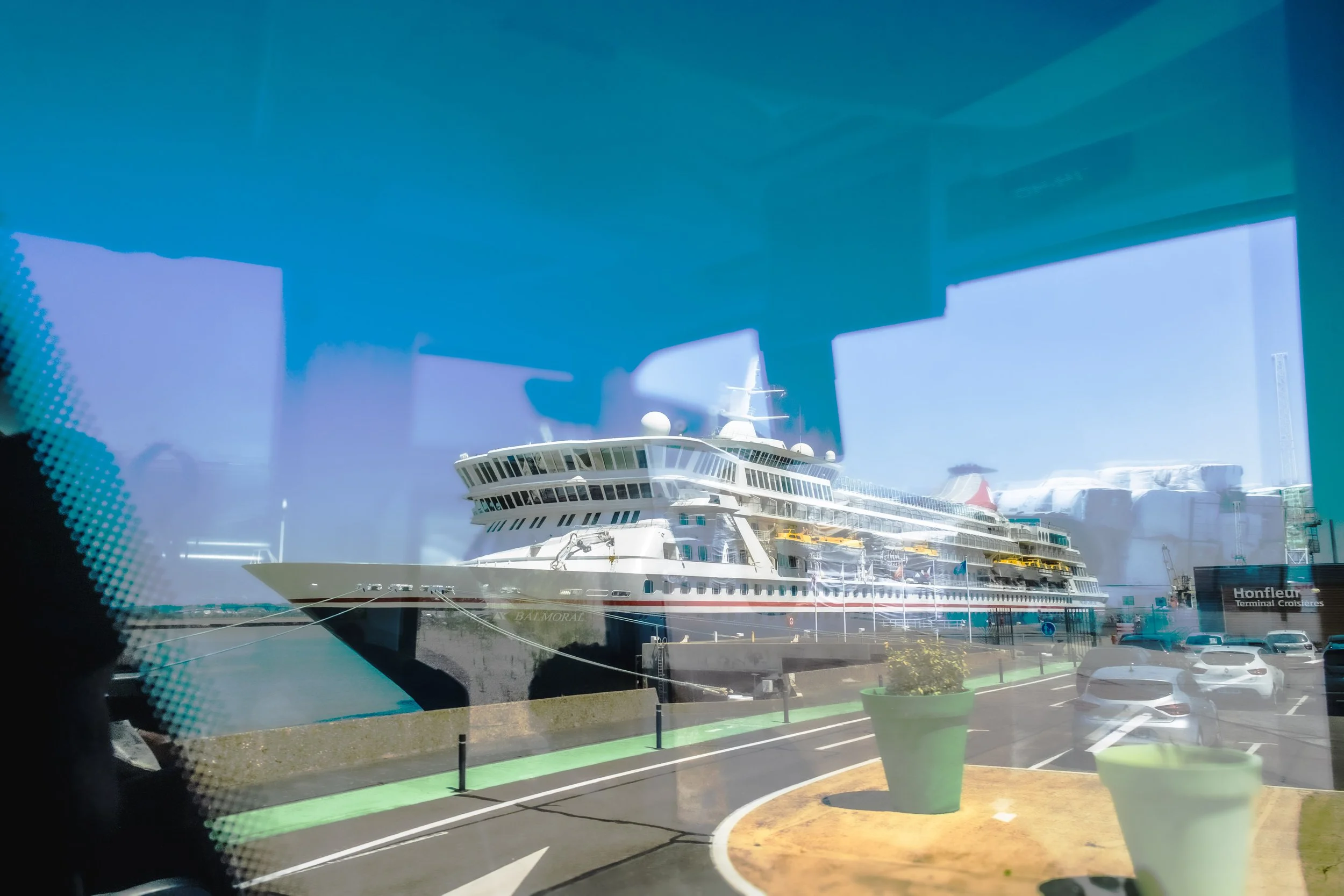
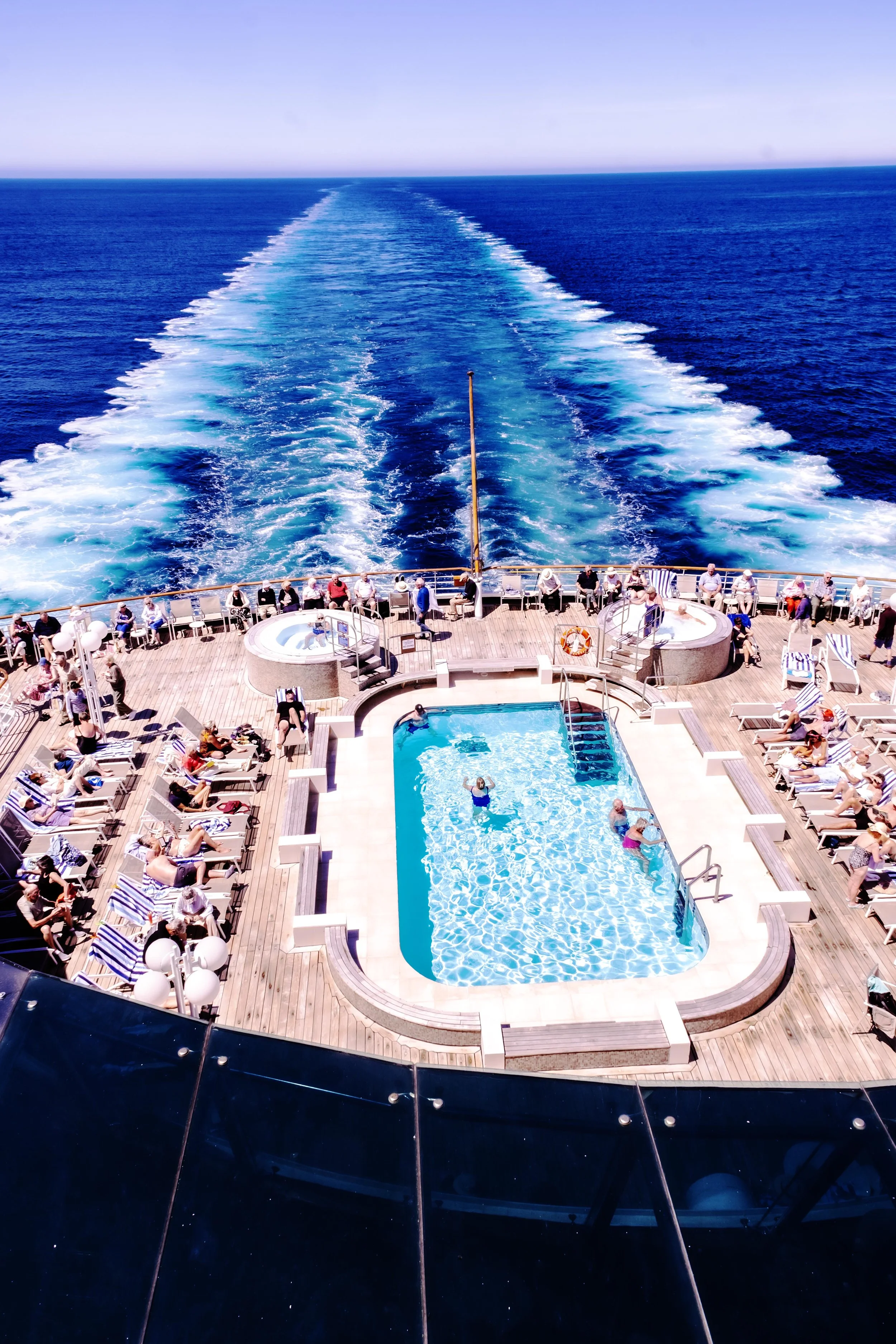
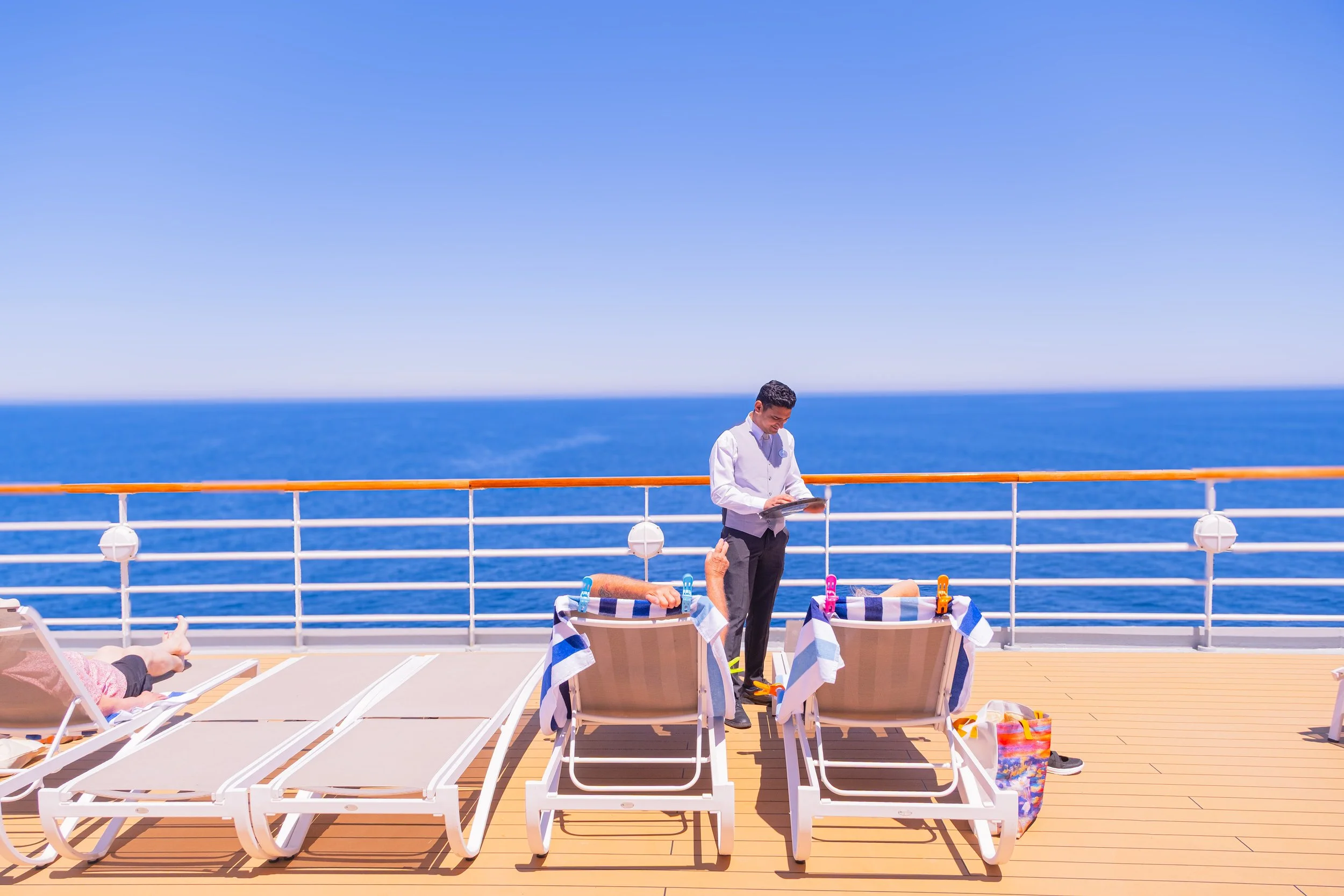
Recently, while travelling from Scotland to France on the cruise ship Balmoral, where I was giving talks about my career and work over the years, I found myself doing what I always do when I have a camera in my hand.
Wandering.
Looking.
Stopping.
Getting lost.
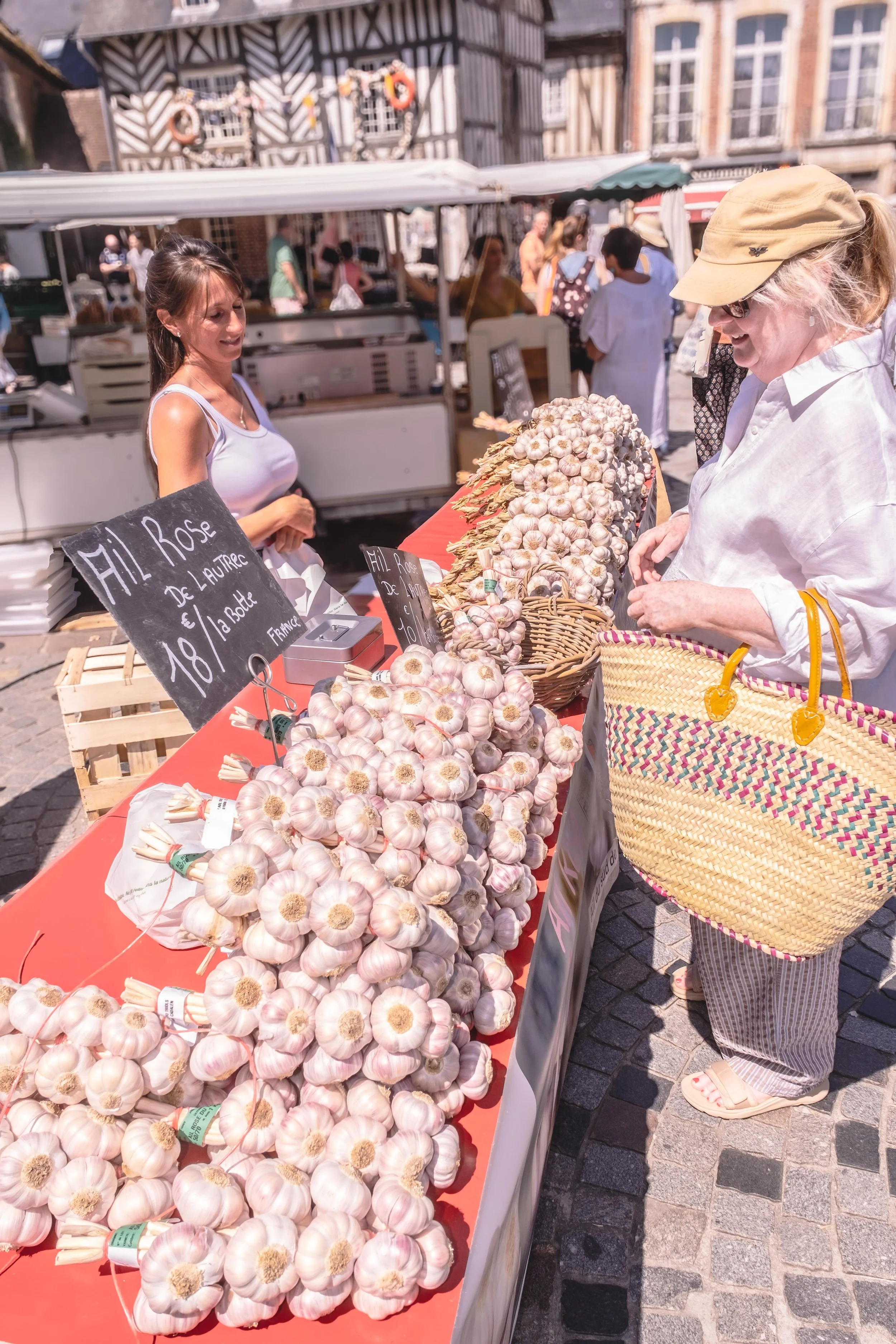
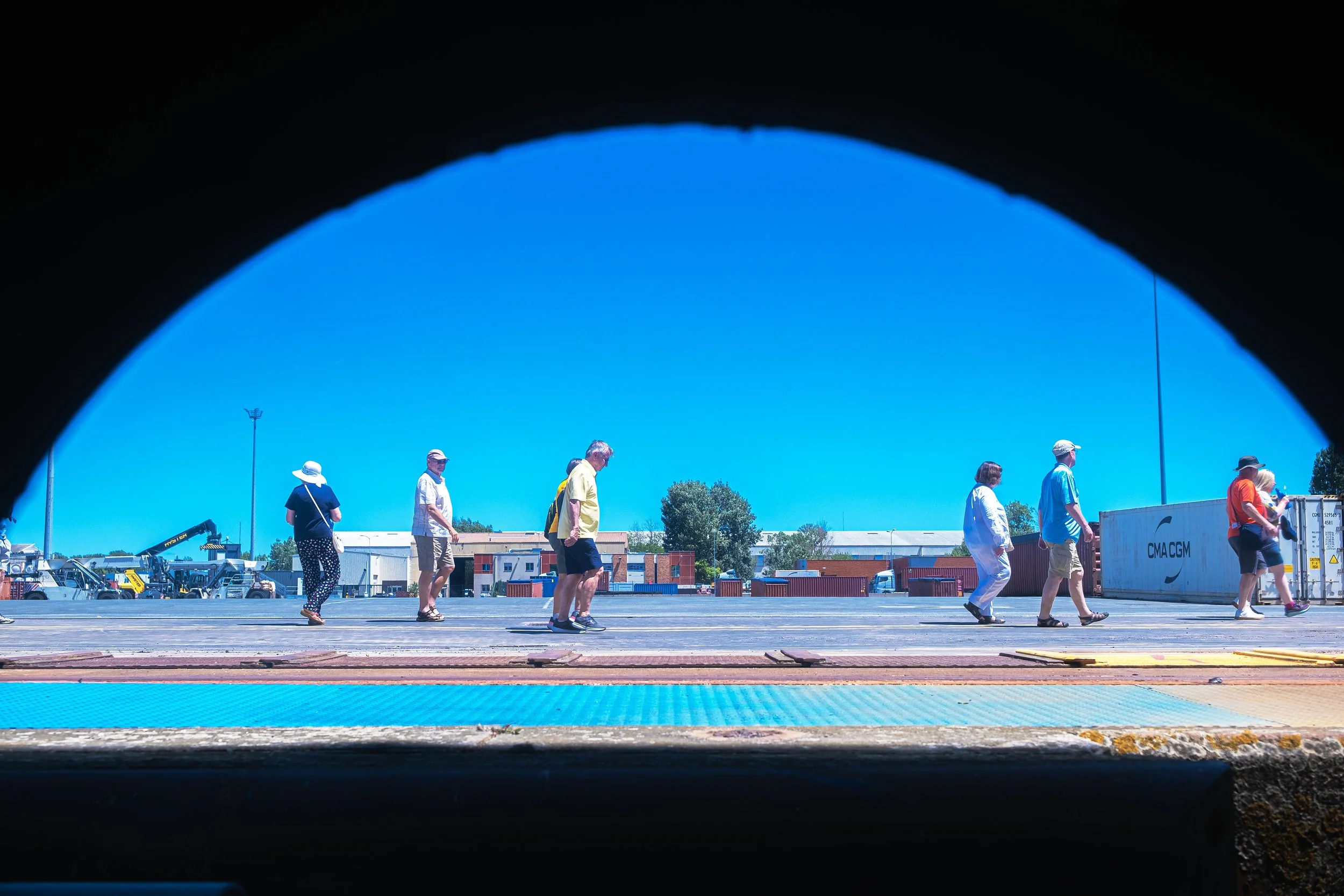
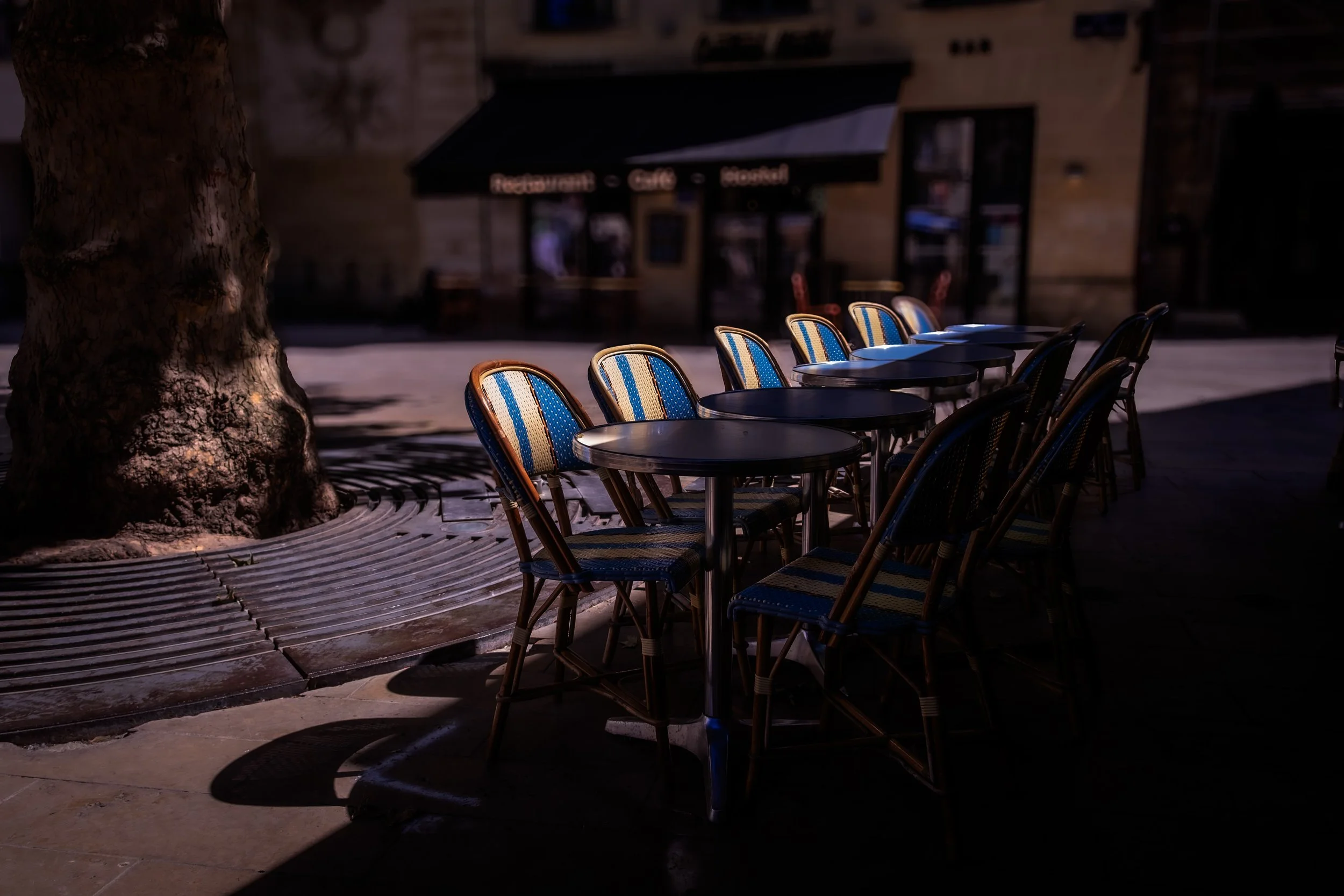
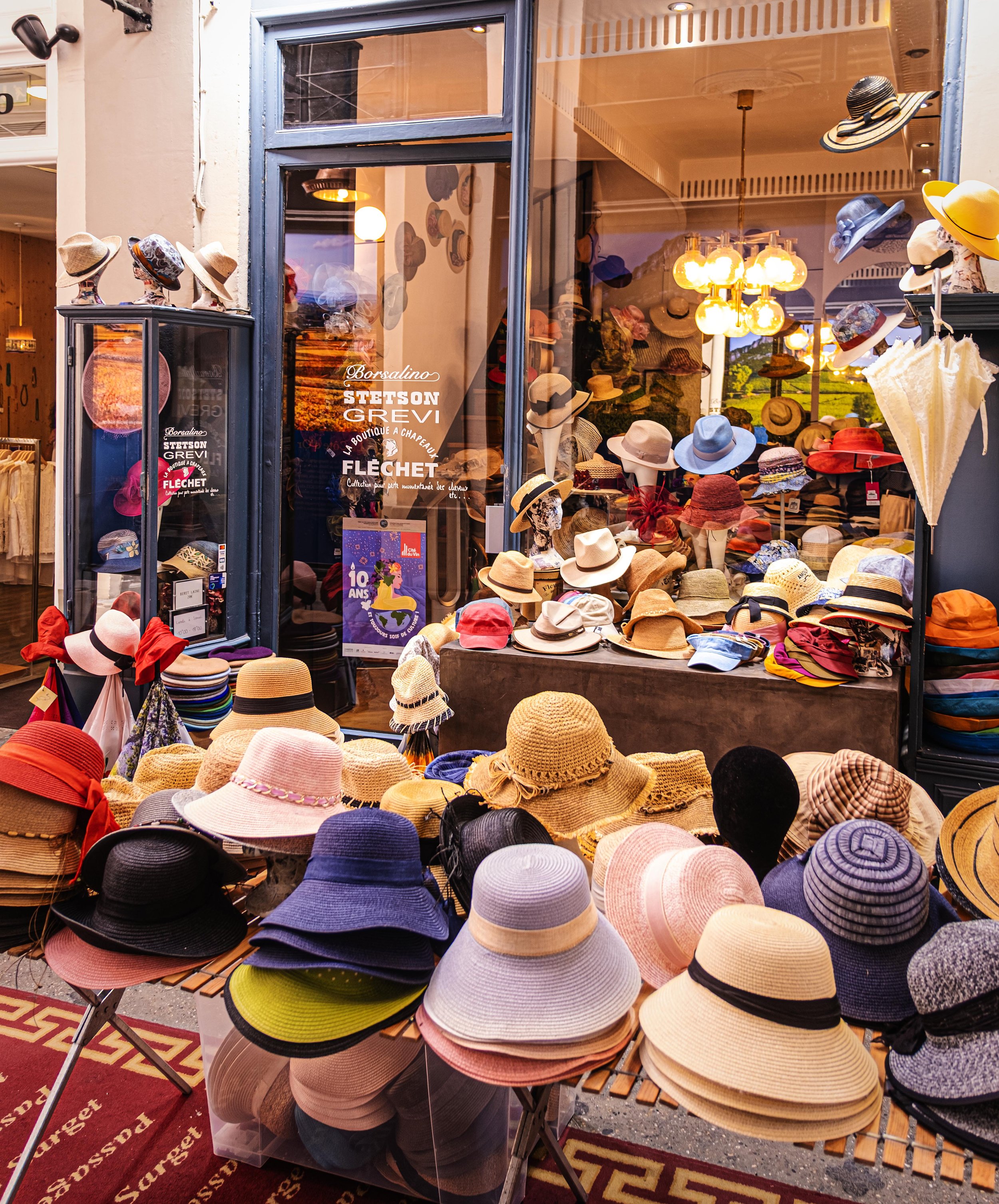
Getting slightly too interested in the shadows around a chair, a doorway, a hat stall, a strip of blue sky, or the way sunlight hits the side of a ship.
These are not world-beating images.
They were never meant to be.
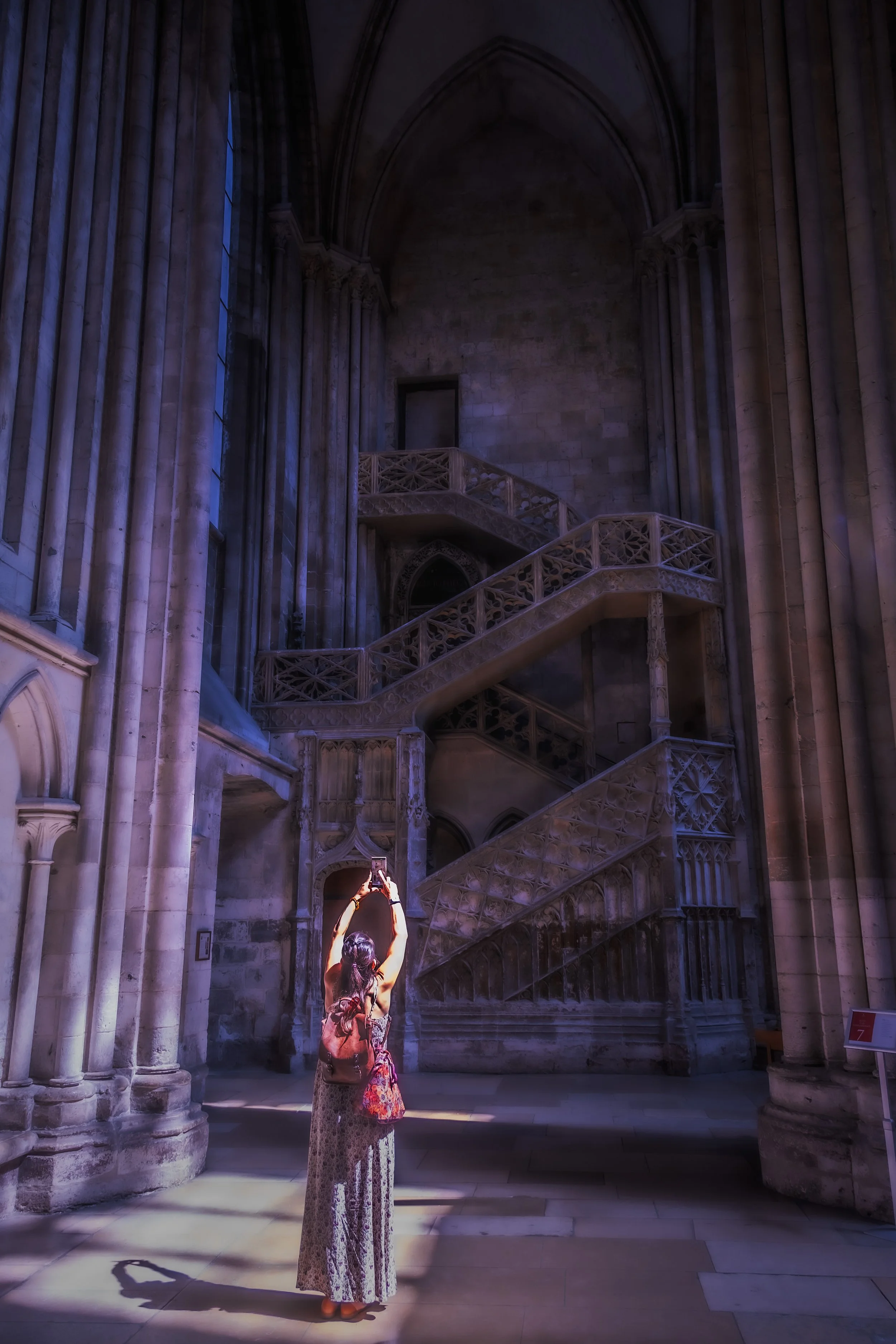
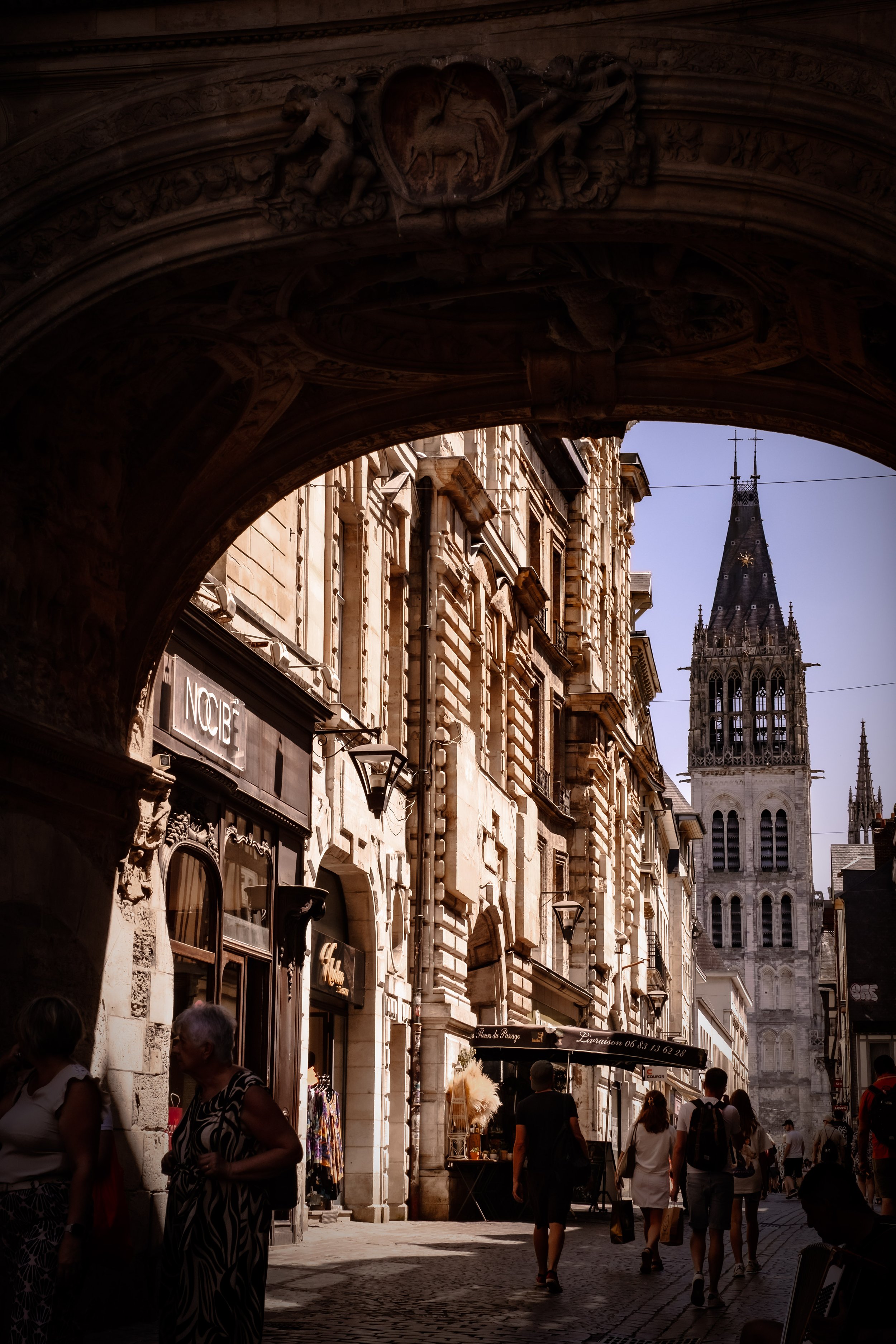
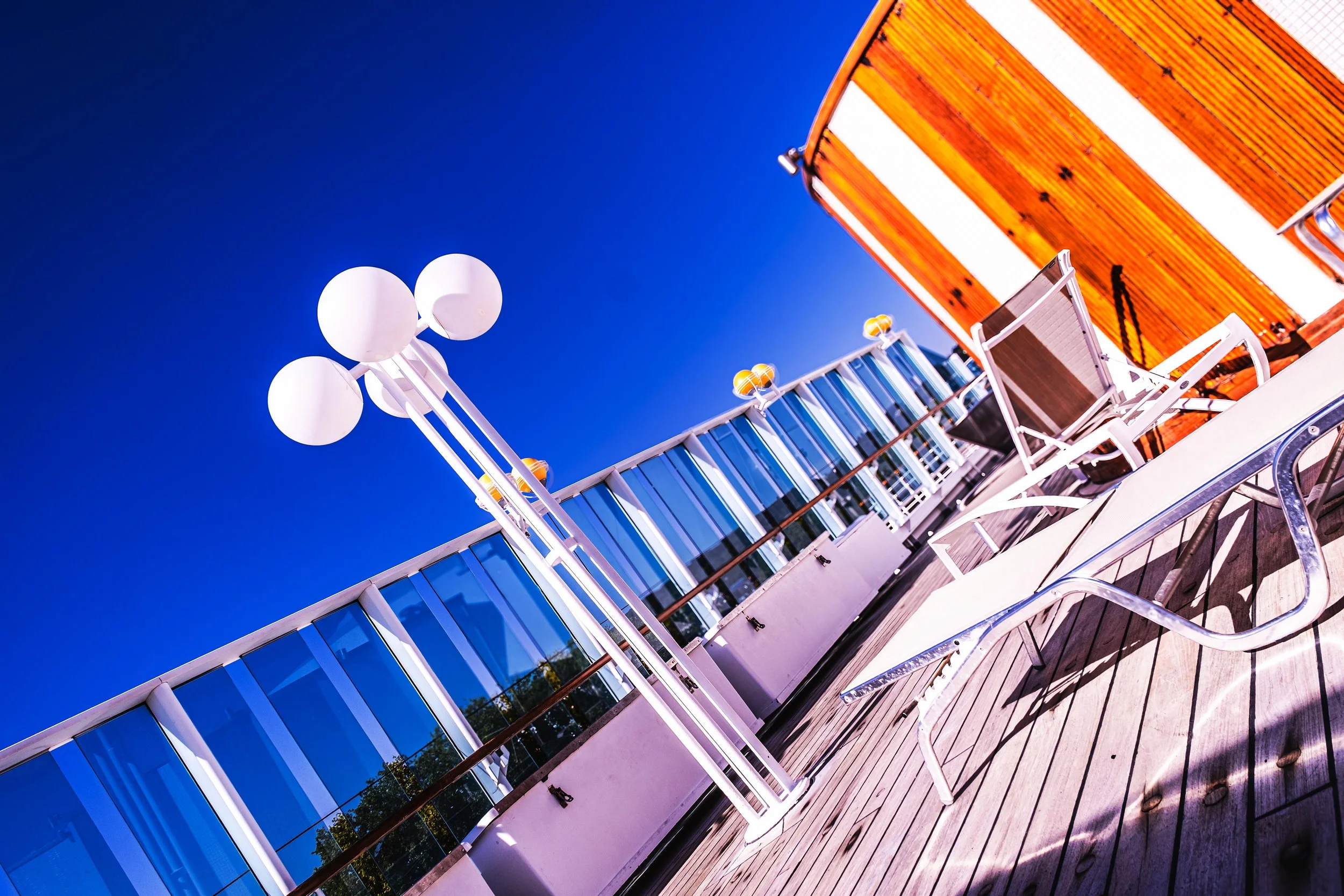
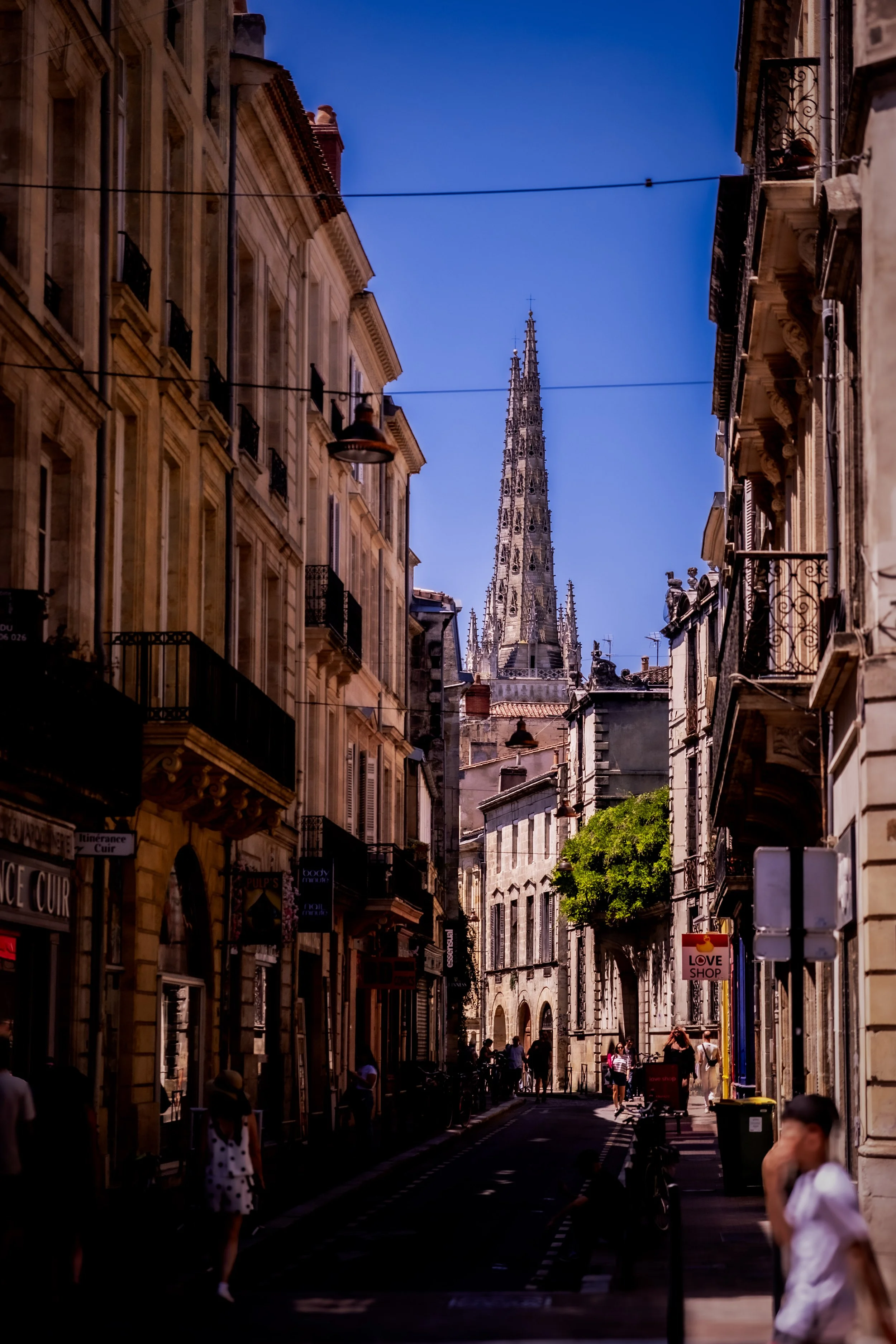
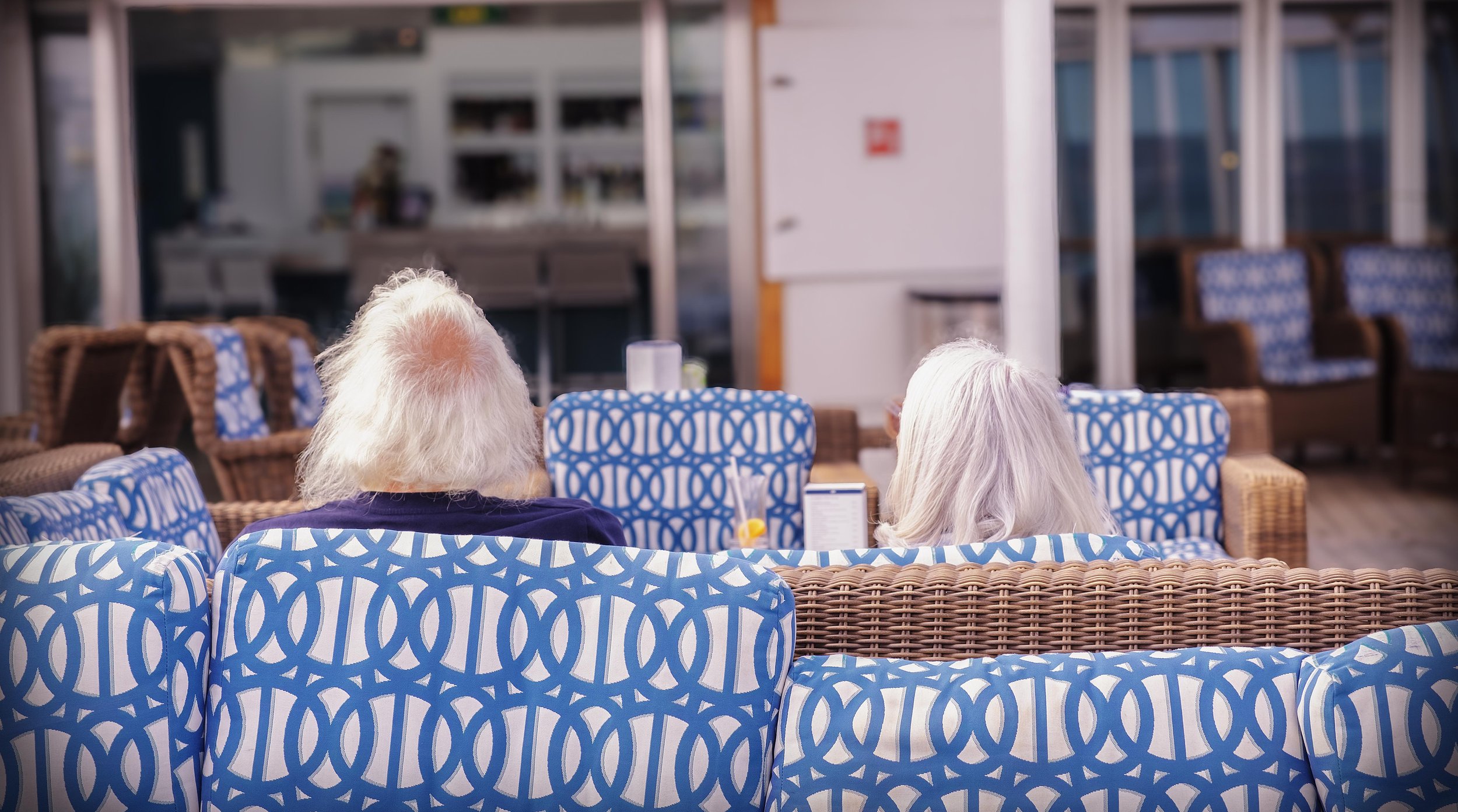
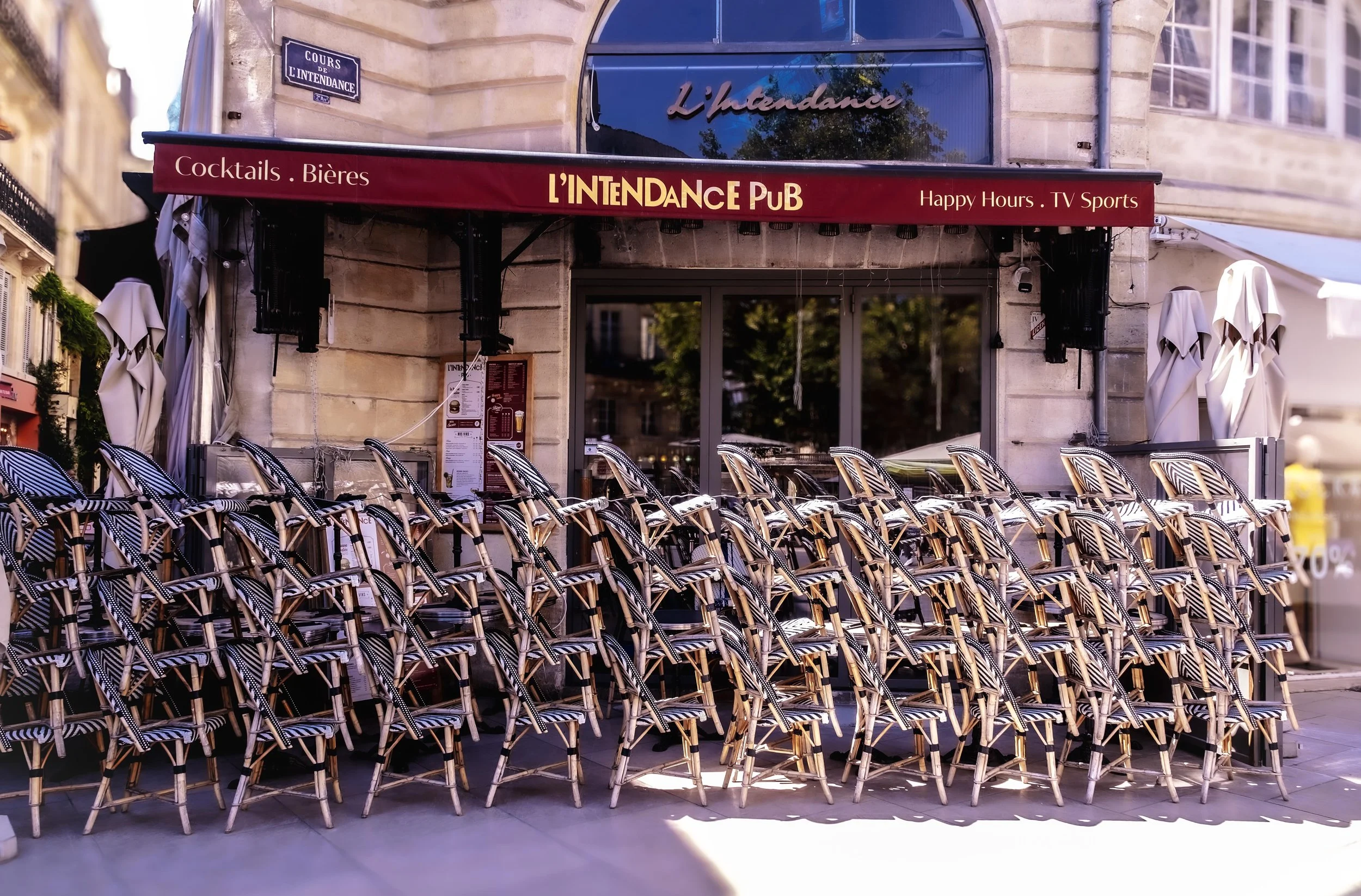
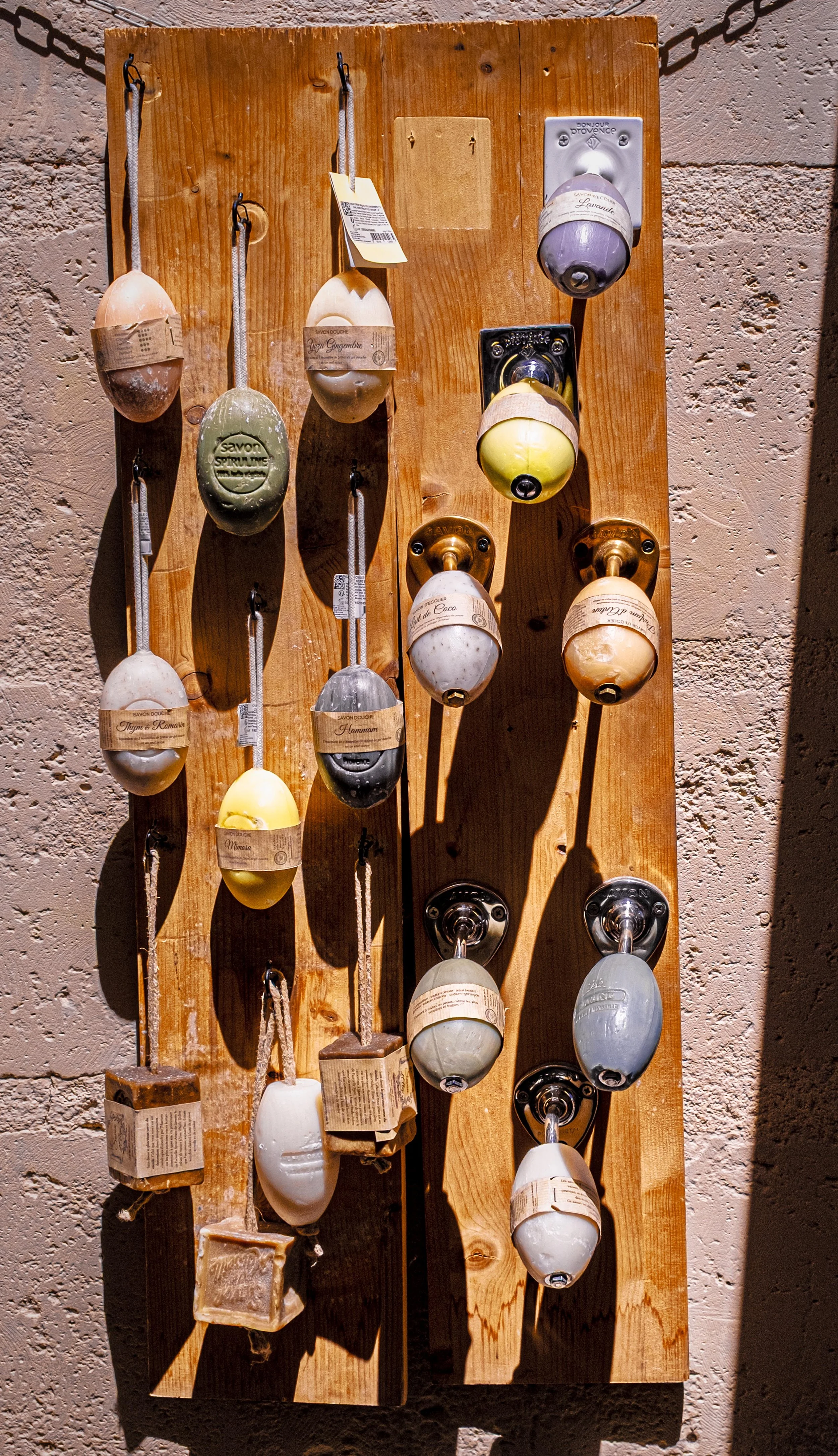
They are photographs from rambles around Bordeaux, from life aboard the Balmoral, from little observations made between meals, walks, conversations, heat, tiredness, and the slow rhythm of being away from home.
Bordeaux was beautiful, but it was also blisteringly hot. The temperature seemed to sit around 40 degrees for most of the week, which sounds glamorous until you are walking around with a camera, trying to think clearly, while my wet shirt clings to my back.
The heat didn’t help.
But maybe that was part of it.
It slowed everything down. It made the streets feel bleached out and half-empty. It made people move differently. It made colour feel sharper, shadows feel heavier, and the simplest patch of shade feel like a small act of mercy.
And colour, more than anything, kept pulling me in.
I’ve always been drawn to colour, the more vivid the better.
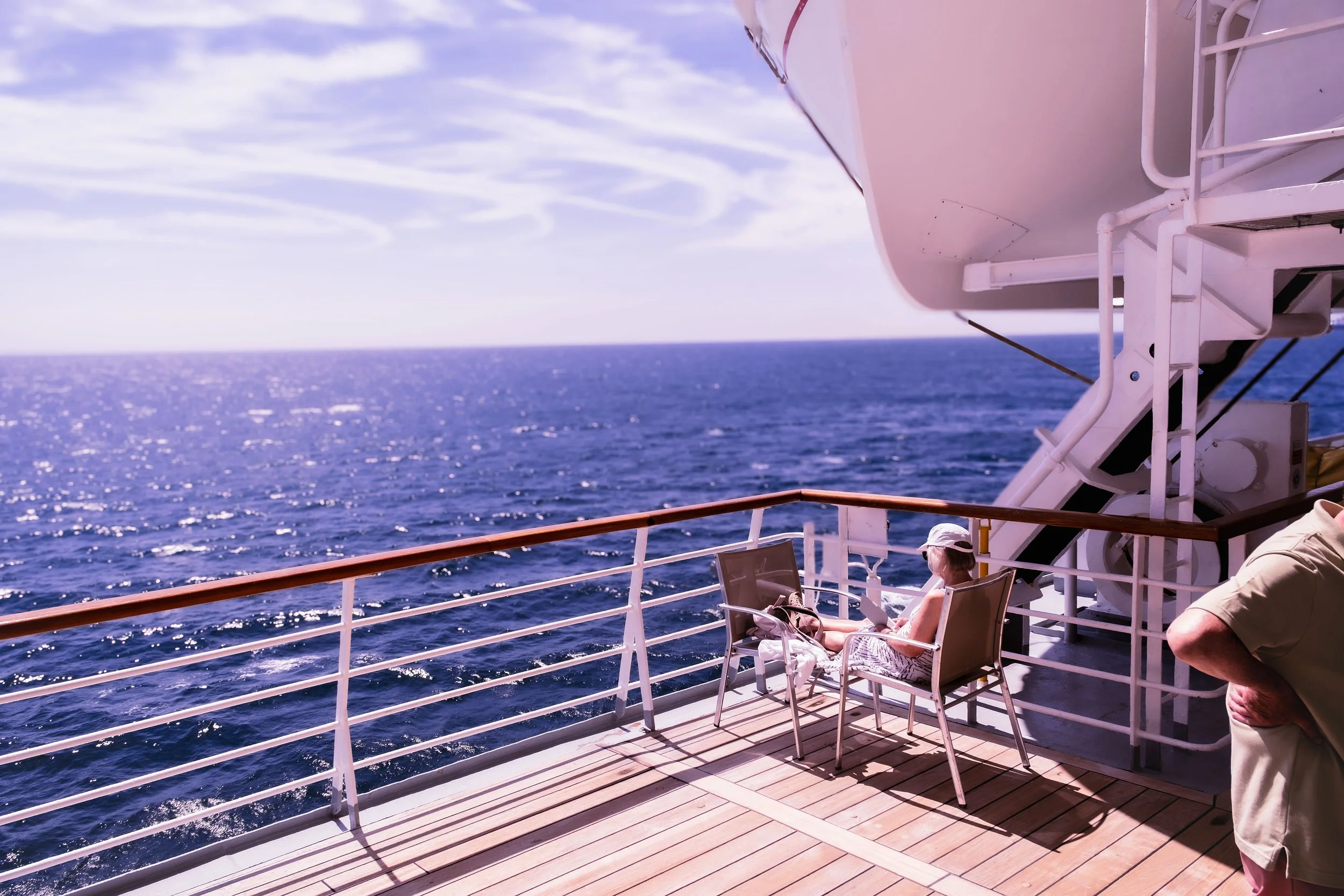
The blue of the sea.
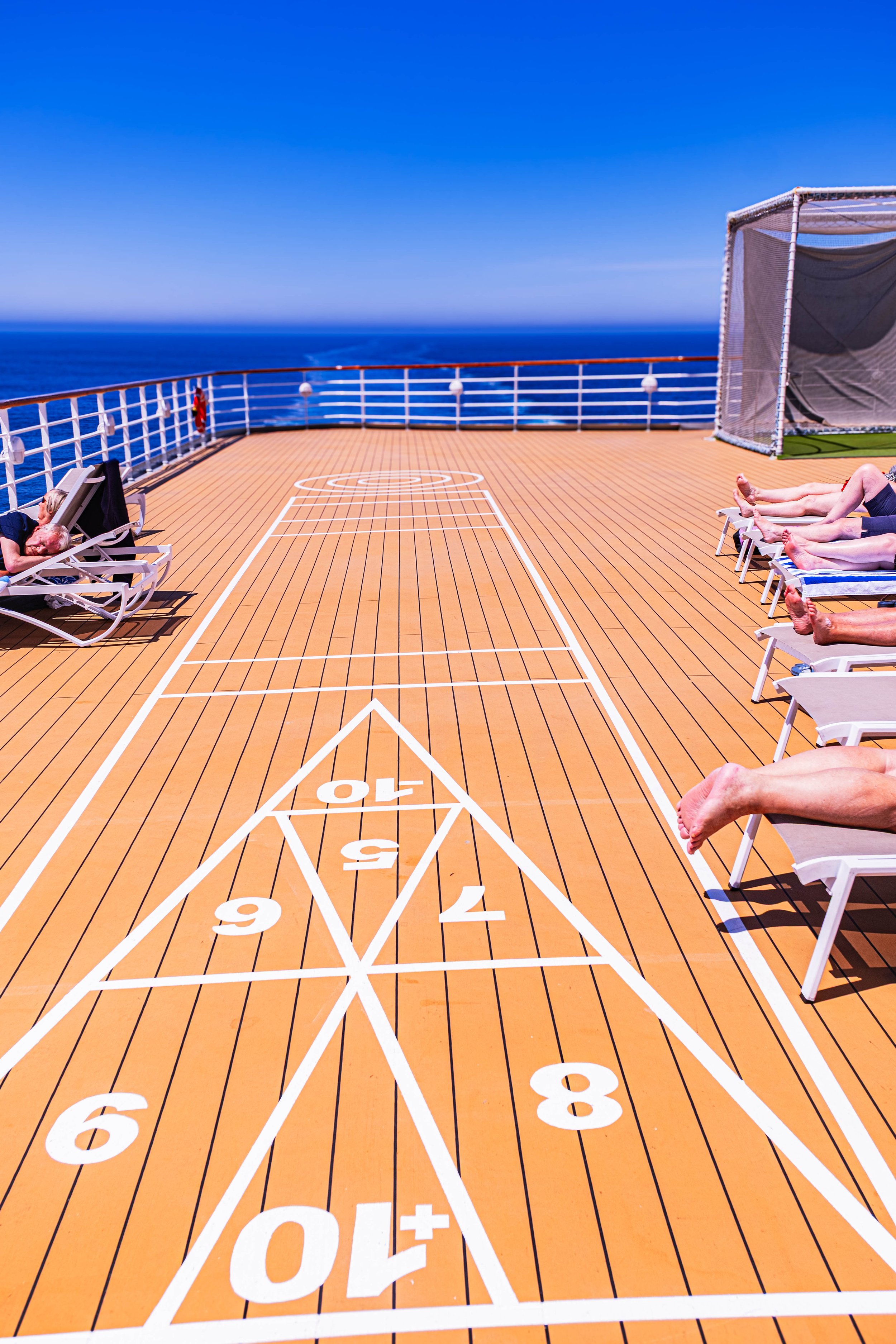
The orange of the ship’s deck.
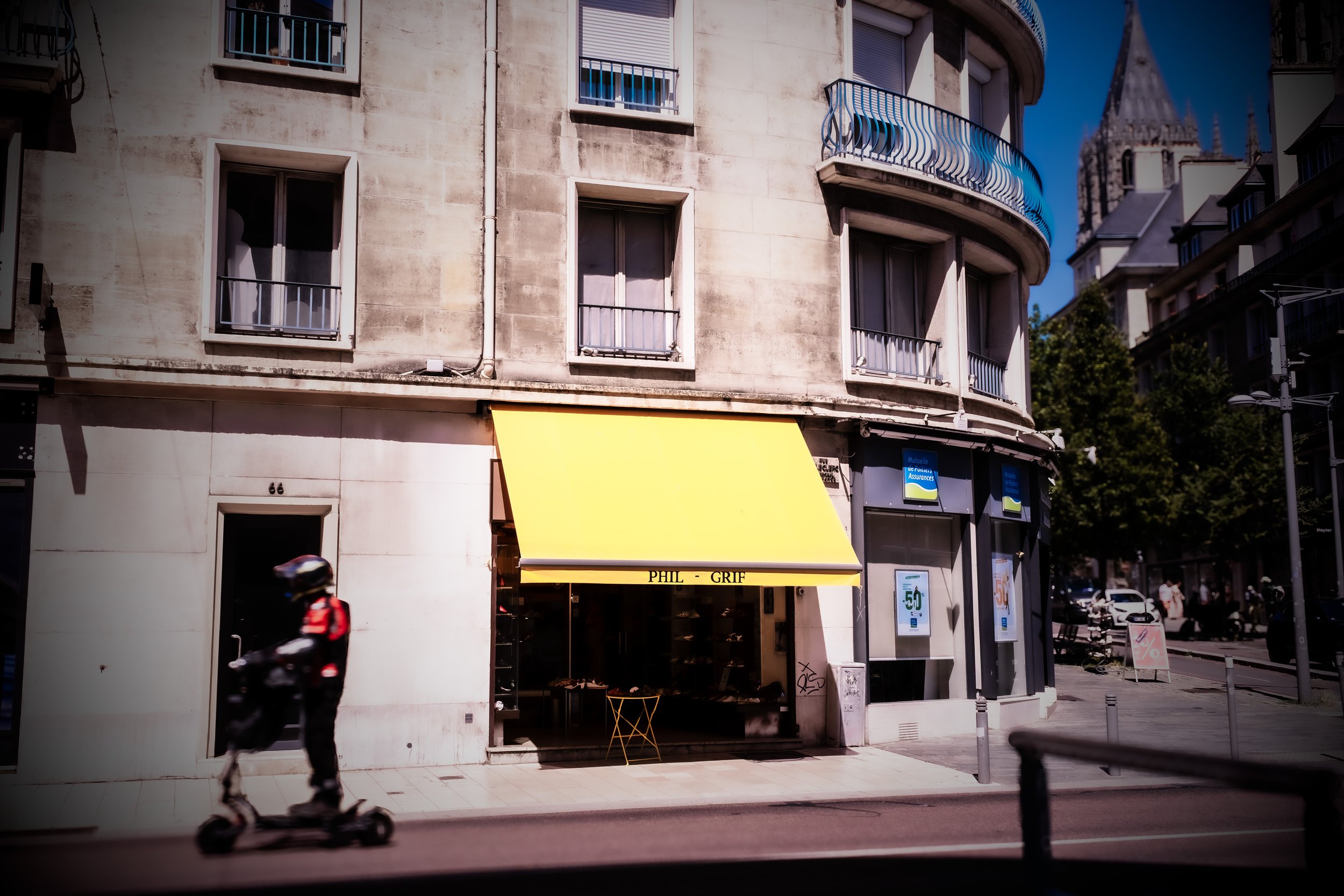
The yellow awning on a Bordeaux street.
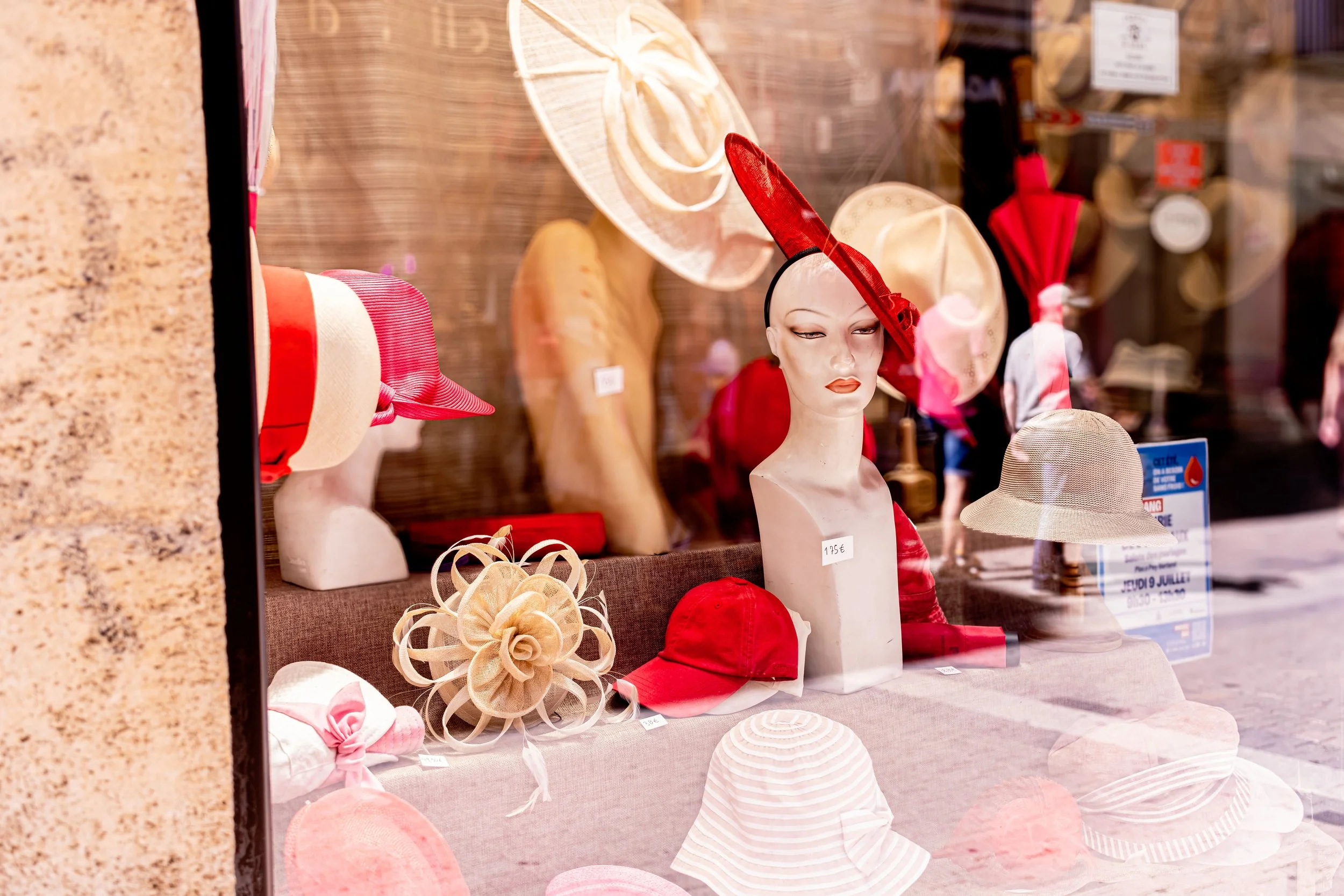
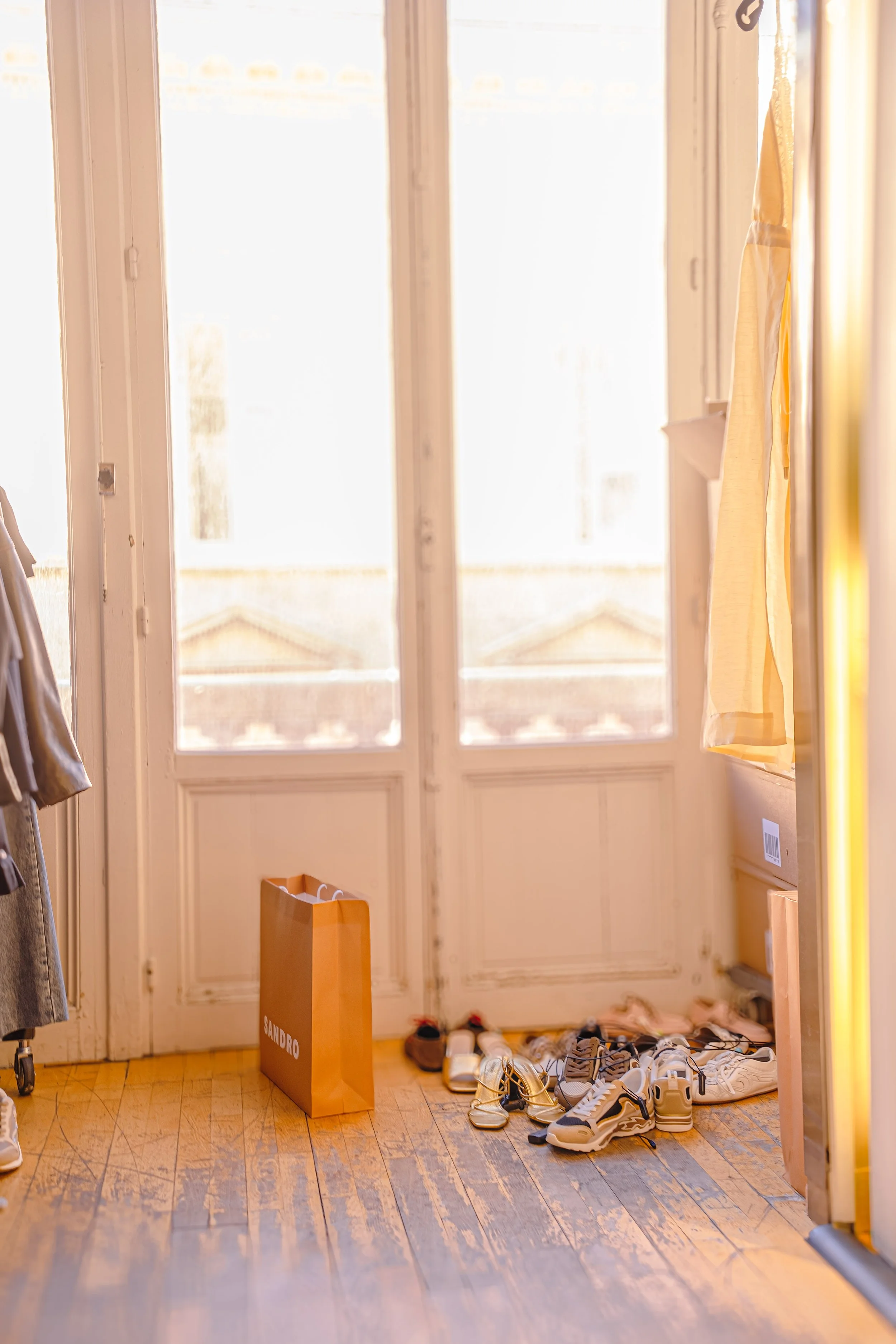
The pinks, reds, whites and creams of shopfronts, hats, façades and sunlit stone.
I have always loved colour, not in a neat, decorative way, but as a kind of emotional temperature. Colour tells you how a place feels before you have fully worked out what you are looking at.
Sometimes colour is the picture.
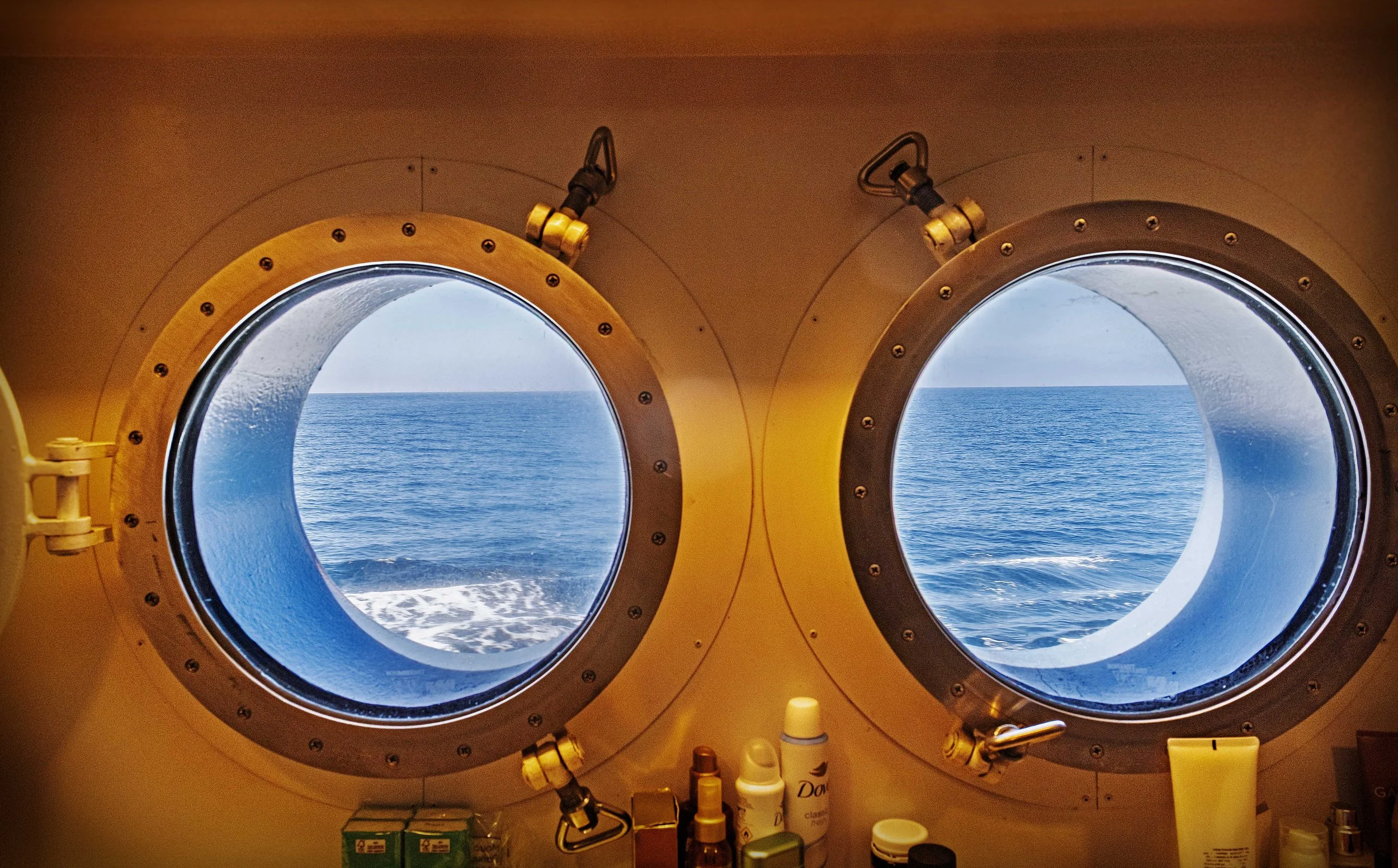
A blue porthole.
A red stripe.
A yellow shopfront.
A pink wall in full sun.
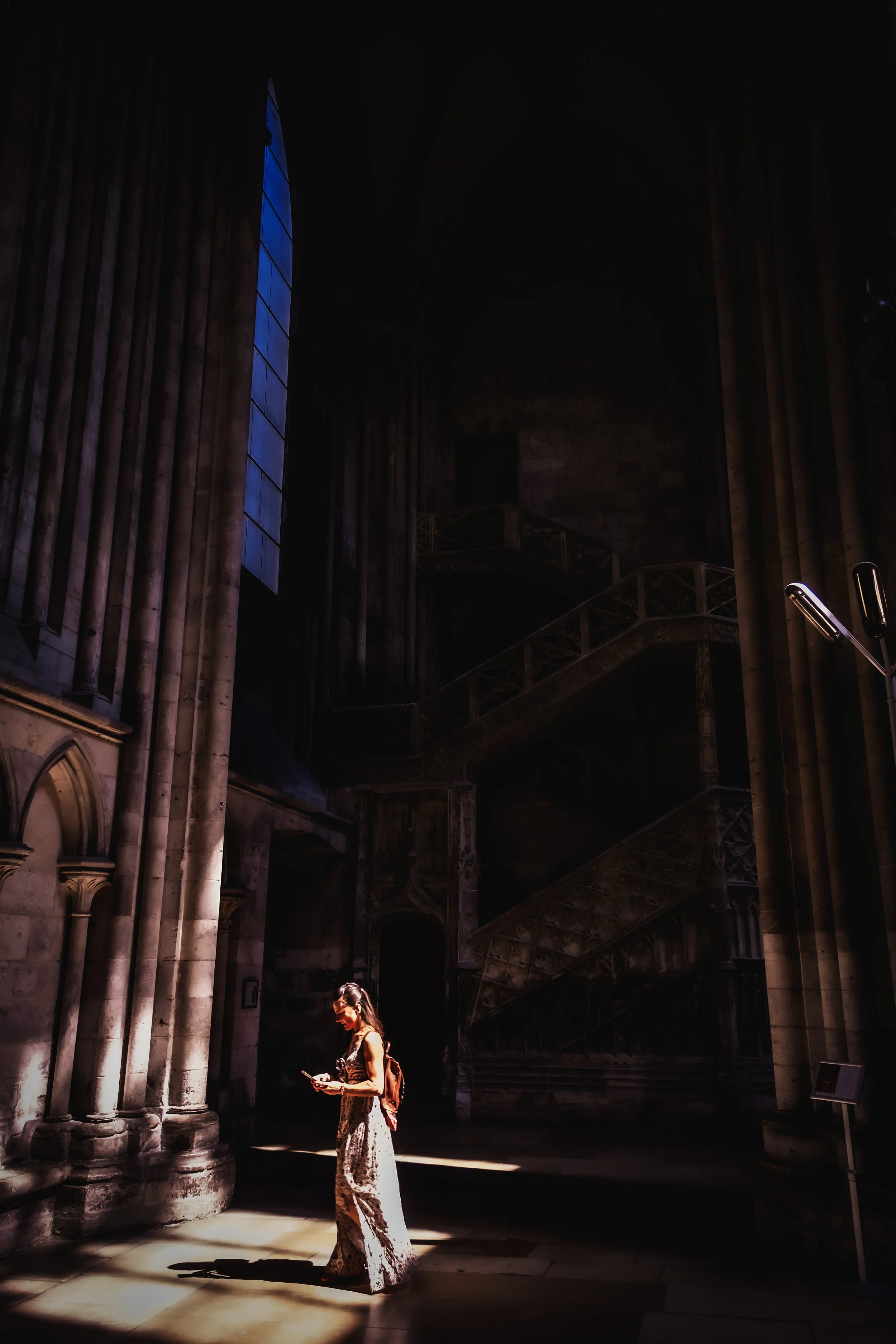
A shadow so dark it turns the outside world into theatre.
That is one of the great pleasures of carrying a camera when nobody is paying you.
I can follow the stupid little things.
I can break my own rules.
I can photograph badly, oddly, instinctively, privately.
You can make a picture because a line in a cracked pavement amuses you, because a colour makes you stop, because a person’s gesture feels familiar, because a doorway looks like a stage, or because something about the scene makes no sense at all.
That all matters.
When you have spent years making photographs for newspapers, magazines, businesses, exhibitions and clients, it is easy to forget that the camera was never just for work.
It was also a tool for noticing.
And noticing needs practice.
I sometimes find myself getting into a zone with it, almost meditative. The camera gives me a reason to slow down, to look again, to stay with something a little longer than I normally would.
Street photography, documentary photography, street portraiture, these are not just genres to me. They are ways of keeping my instincts sharp. They remind me to pay attention before I perform. To respond before I arrange. To look before I decide what something means.
That is the part I still love.
Shoot first, ask questions later.
The intrinsic pleasure of photography.
Not the likes.
Not the brief.
Not the invoice.
Not the idea that every image has to earn me a living.
Just the pleasure of seeing something, lifting the camera, and trusting that gut feeling.
Some photographs are simply small acts of curiosity.
A row of hats outside a shop.
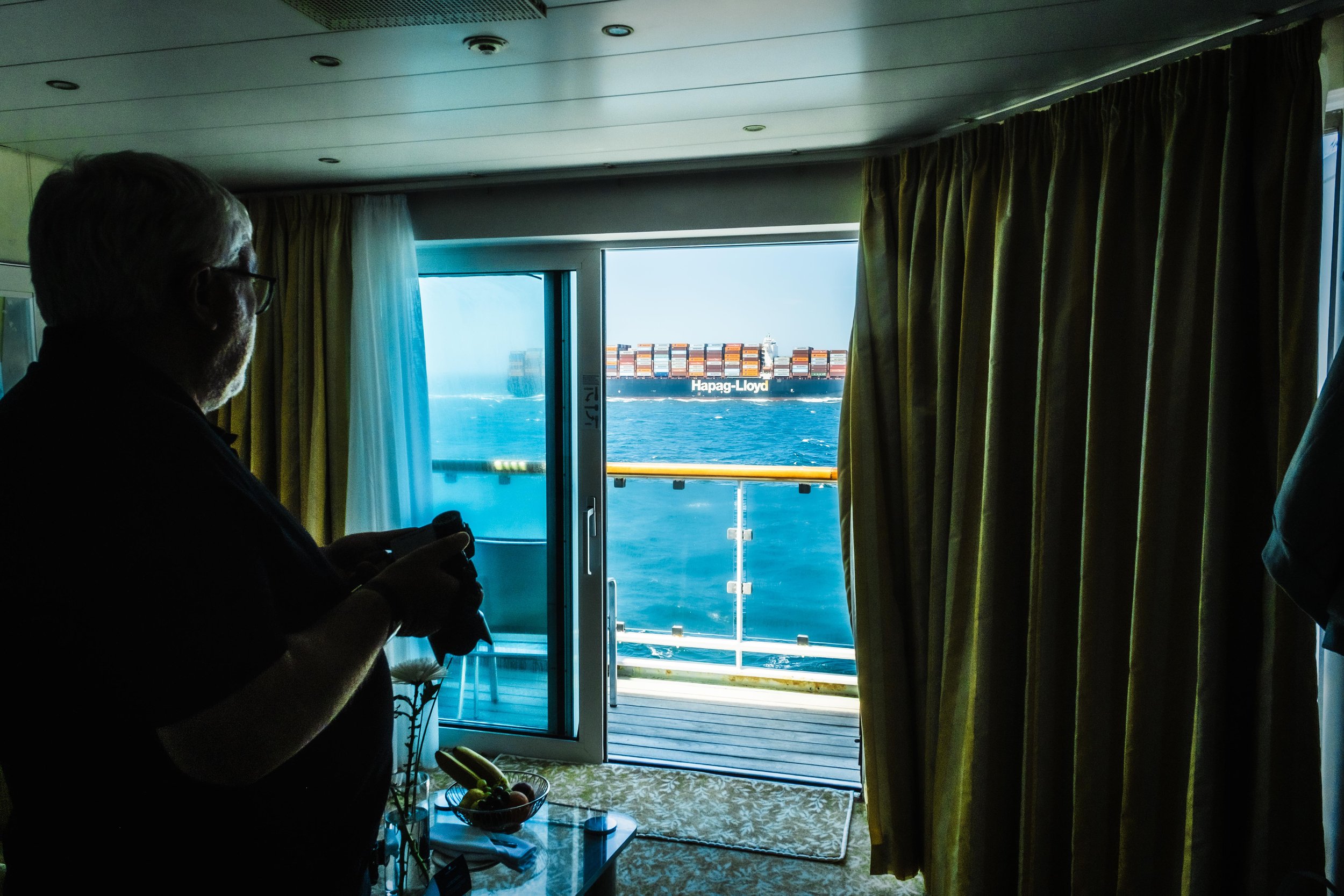
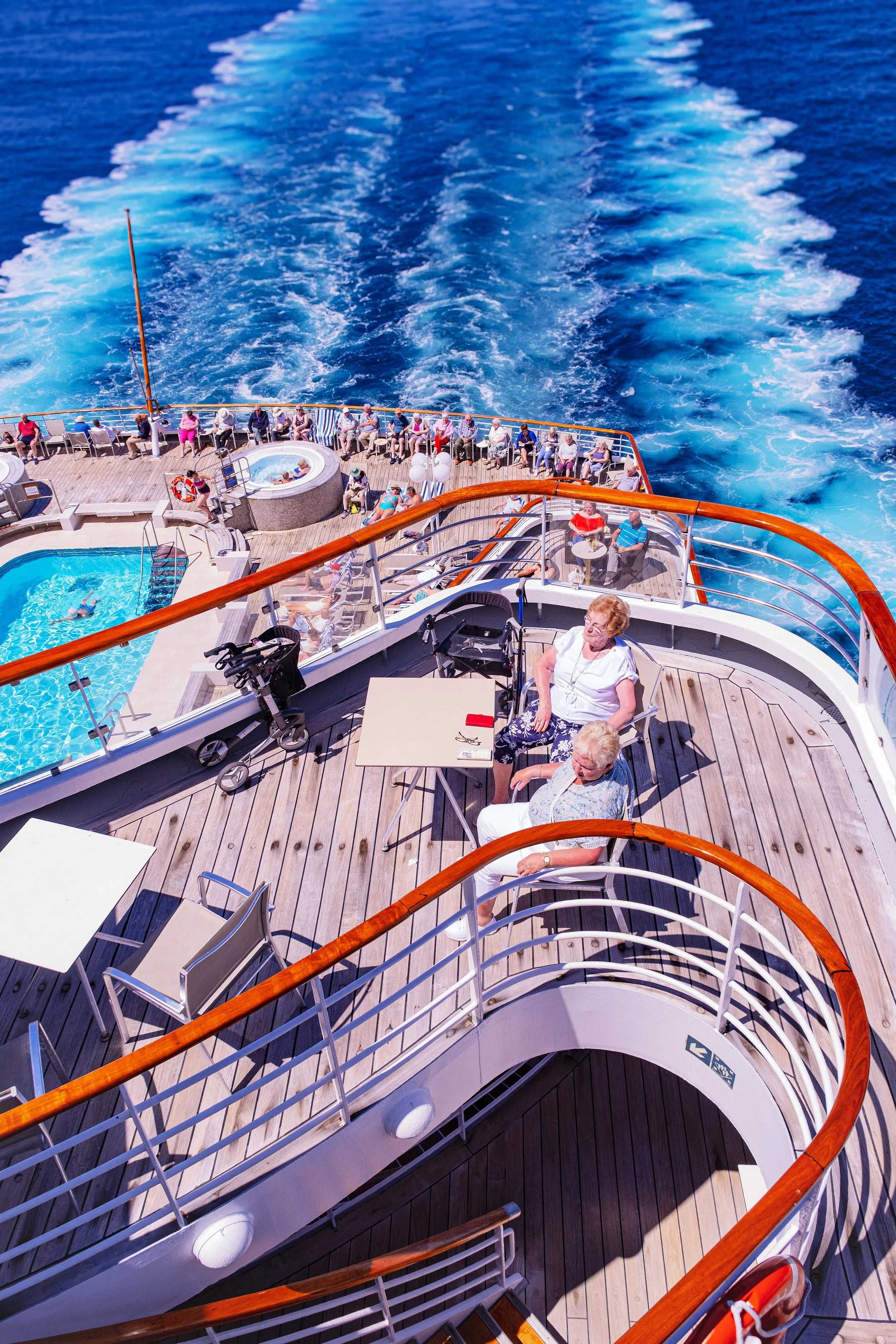
A ship’s wake cutting blue water into white lines.
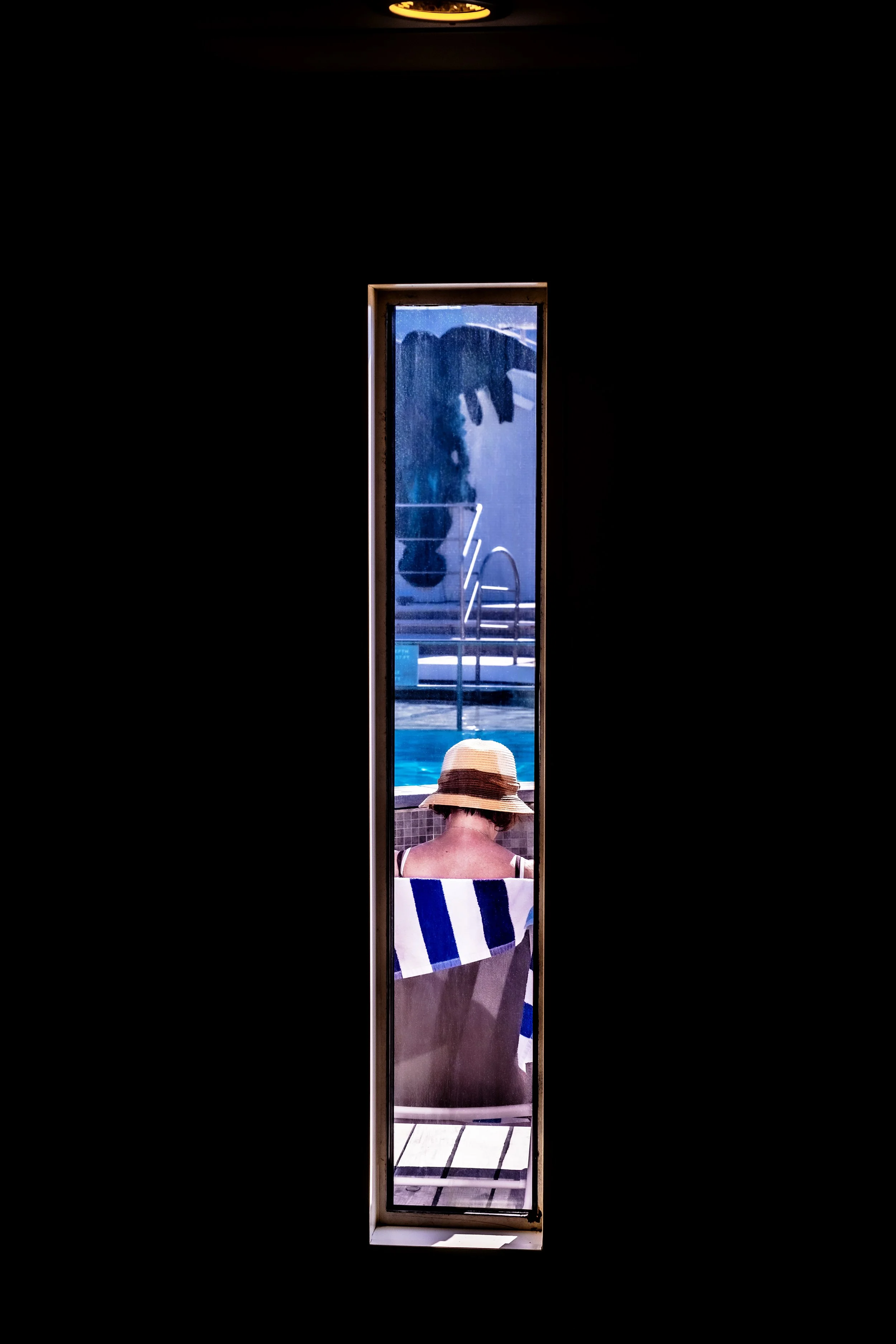
A woman seen through a dark doorway.
A café table abandoned in harsh light.
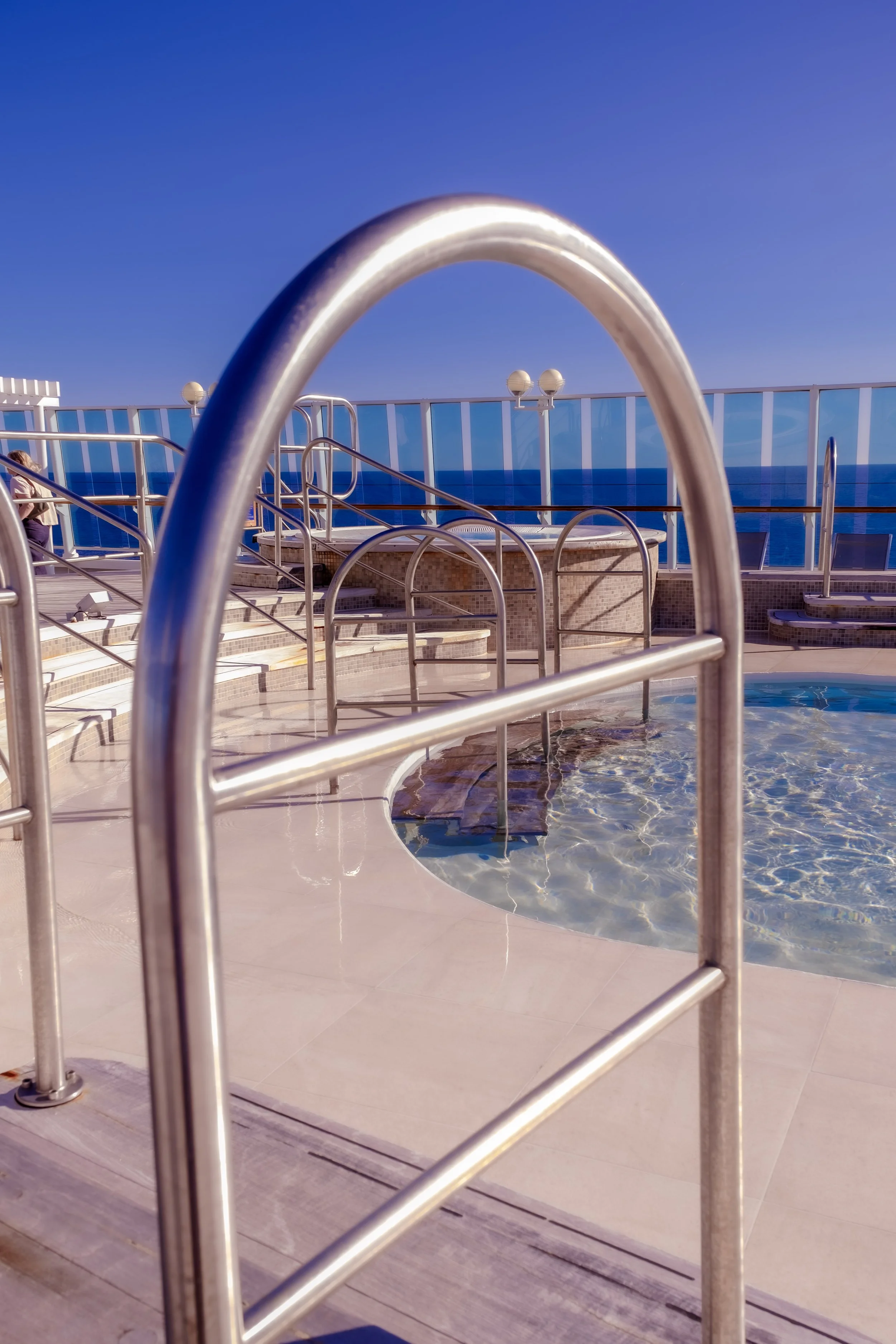
A swimming pool ladder turning into sculpture.
A passenger staring out at the sea, caught between cabin shade and open water.
None of these pictures needs to explain itself too loudly.
That is the whole point.
I think we put too much pressure on personal work. We want every image to justify itself. We want the series, the statement, the exhibition, the clever title, the reason.
But sometimes the reason is simpler than that.
I made these pictures because I was there.
I made them because I still love looking.
I made them because even after all these years, I still don’t fully know what I’m going to find when I lift a camera to my eye.
And that uncertainty is a gift.
It is also a curse, but a lovely one.
This small collection is not a grand travel essay. It is not a polished love letter to Bordeaux. It is not an advert for cruise life.
It is a reminder to myself to enjoy picture-taking.
I don’t need permission to make work when nobody is paying me.
Not every frame needs to be good.
You do not have to photograph the obvious.
I don’t have to behave.
Sometimes the value is in staying visually awake, even when you are sweating through your shirt in 40-degree heat, wondering why on earth you did not leave the camera in the cabin.
Then you see something, and you are off again.
A colour.
A shadow.
A person.
A shape.
A little piece of life arranging itself for half a second.
And you remember.
This is why I brought it.
That’s why I love taking pictures.
Words and pictures by John Ferguson